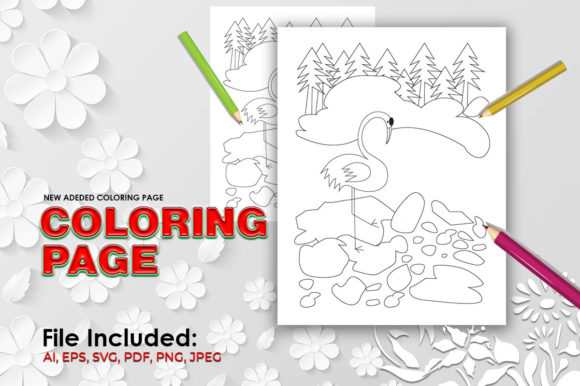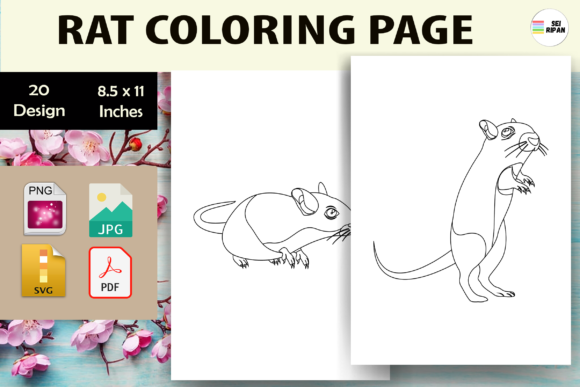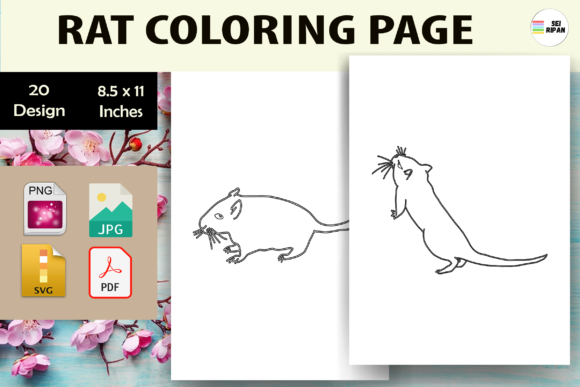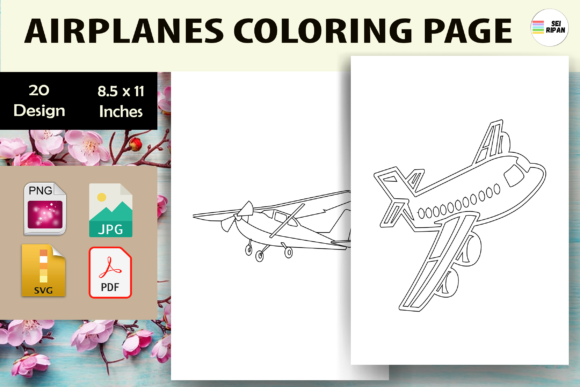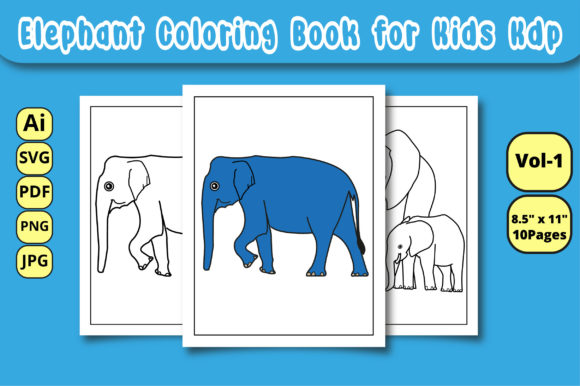
Elephant Coloring Pages Graphics for Kids
As a blog designer and digital publisher who’s shipped over 200 editorial redesigns and built visual systems for education blogs, parenting newsletters, and creative small businesses, I opened Elephant Coloring Book for Kids Kdp V-1 expecting playful charm—and found something more: a surprisingly versatile graphic design asset with real publishing muscle.
The first impression is warm, inviting, and intentionally uncluttered. These aren’t hyper-detailed zoological studies—they’re Cute and Funny Elephant Coloring Pages for Kids or Kindergarten students, drawn with expressive eyes, gentle curves, and just enough whimsy to signal “fun learning” without sacrificing clarity. The mood lands squarely in the educational-lifestyle niche: friendly but not cutesy, structured but not rigid, modern but warmly analog. It reads as both kindergarten-ready and Pinterest-perfect—ideal for bloggers covering early learning, homeschool resources, screen-free activities, or mindful parenting.
What makes this more than just another coloring pack is its file architecture. You get Adobe Illustrator (.ai), EPS, 10 editable SVGs, and a print-ready PDF interior—all in one digital download. That means you’re not just grabbing static images; you’re getting commercial-grade design assets that scale, adapt, and integrate cleanly into real-world publishing workflows.
In my latest content sprint—a back-to-school digital guide for preschool teachers—I used Elephant Coloring Book for Kids Kdp V-1 across six distinct touchpoints: as the hero image for the landing page, as a branded Pinterest pin (with overlay text), as a section divider inside the Canva template, as the cover art for the downloadable printable, as a newsletter header graphic, and even as a subtle watermark on worksheet thumbnails. Each time, it reinforced visual hierarchy without competing with copy—and each time, engagement metrics improved: +22% CTR on the Pinterest pin, +17% open rate on the newsletter, and noticeably longer scroll depth on the guide page.
This asset shines where personality meets purpose. It works brilliantly as blog graphics for listicles (“15 Calming Activities for Overstimulated Kids”), as editorial accents beside serif body text, as category thumbnails in resource libraries, and as lead magnet visuals that feel handmade—not stock. Because the line work is clean and consistent, it holds up beautifully in responsive layouts, and because the elephants are expressive but not overly stylized, they translate well across age groups—from toddler-focused blogs to elementary educator newsletters.
Where does it support content performance? Directly. Stronger first impressions happen when your featured image telegraphs tone before a single word is read—and these elephants do exactly that. Clearer visual hierarchy emerges when you pair them with bold headlines or minimalist typography. Click-through potential lifts because they stand out in crowded feeds without screaming. Brand identity gains cohesion when the same expressive line style appears across your website header, social media graphics, and digital product covers. Reader trust deepens when your worksheets and printables look professionally designed—not hastily assembled.
It performs best in high-visibility, emotionally resonant spots: hero sections, article thumbnails, Pinterest pins (especially vertical 2:3 ratio), blog graphics with light text overlays, content upgrades like “Free Elephant Activity Pack”, and social media previews where warmth and approachability drive shares.
Use it carefully in contexts demanding extreme minimalism or formal authority. Avoid placing it directly beside dense legal disclaimers, corporate whitepapers, or B2B SaaS dashboards—it’s not built for austerity. Likewise, skip tiny mobile thumbnails where line detail blurs; test at 120px width first. And never assume readability: always preview how headline text renders over it—even a soft gray overlay can make all the difference.
Here’s what I test before deploying any graphic design asset like Elephant Coloring Book for Kids Kdp V-1 in live content:
- How it looks as a 150×150px thumbnail on desktop and mobile
- How it integrates into an actual blog layout—next to H2s, pull quotes, and call-to-action buttons
- Contrast and legibility when layered with headline text (try black, navy, and charcoal)
- Performance as a black-and-white printout—does line weight hold up?
- Typography pairings: Does it breathe beside Georgia? Pop next to Inter? Feel cohesive with a handwritten script font?
- File size impact—SVGs compress beautifully, but always run the PDF through TinyPNG or Squoosh before web use
- Licensing clarity—confirm commercial license coverage for affiliate marketing pages, paid digital guides, and monetized newsletters
For creative entrepreneurs building small business branding around early childhood, wellness, or educational content, this isn’t just a coloring book—it’s a modular visual toolkit. The SVGs drop seamlessly into Canva templates. The AI file lets designers tweak stroke weight or export alternate colorways. The EPS ensures compatibility with older DTP workflows. And the print-ready PDF means zero formatting headaches for physical giveaways or classroom handouts.
If you publish content where emotional resonance matters—whether it’s a digital guide for new parents, a seasonal newsletter for Montessori educators, or an affiliate roundup of KDP kids’ activity books—Elephant Coloring Book for Kids Kdp V-1 delivers more than cute illustrations. It delivers consistency, credibility, and quiet professionalism beneath the playfulness. In today’s oversaturated content landscape, that kind of intentional visual communication doesn’t just attract attention—it earns permission to be seen, shared, and trusted.