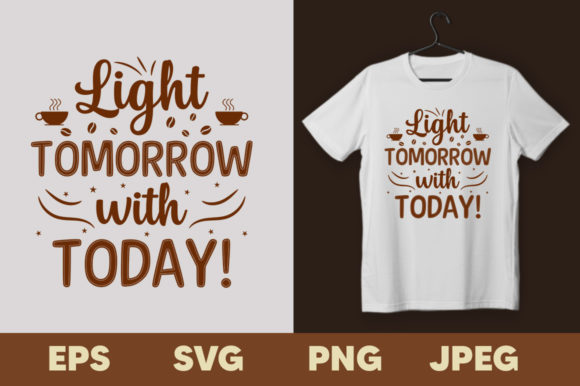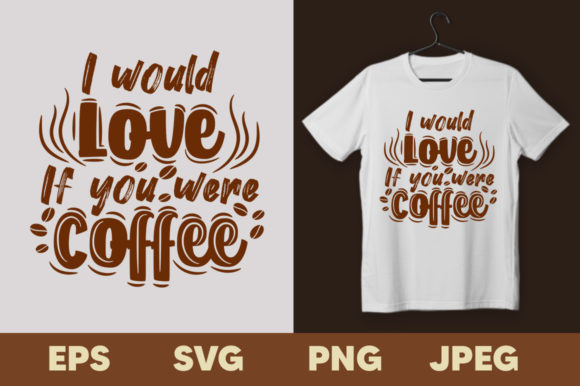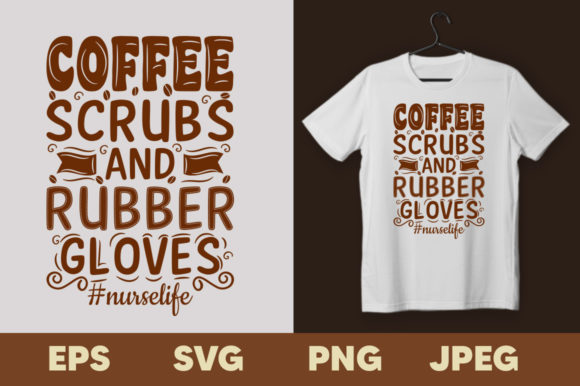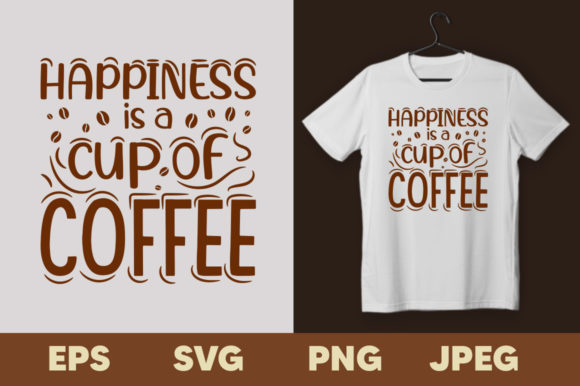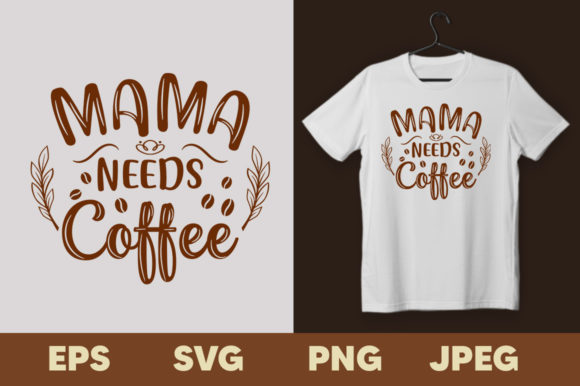
Mama Needs Coffee T-shirt Design
First Impressions: Charm with Clear Intent
As someone who’s stitched hundreds of coffee-themed designs—from minimalist mugs to sprawling latte art—I opened Mama Needs Coffee T-shirt Design expecting warmth, wit, and wearability. What landed was exactly that: a clean, confident layout built for recognition at a glance. The typography leans friendly but not childish; the coffee cup motif feels like a quiet wink—not a shout. It’s not overly detailed or fussy, which is smart. That simplicity translates directly to embroidery viability: fewer tiny curves, no fragile stems or micro-dots, and lettering sized to hold up on cotton twill, fleece, or even lightweight linen.
A Real Project in Mind: Embroidering This for a Boutique Tote Line
Last week, I prepped a small batch of canvas tote bags for a local mom-owned gift shop—think soft sage green fabric, medium-weight, slightly textured. I chose Mama Needs Coffee T-shirt Design for the front pocket because it needed personality without overwhelming the bag’s clean lines. In practice, the design scaled beautifully at 3.5 inches wide. The “Mama” text stayed legible, the cup’s handle held its shape under satin stitch, and the overall density felt balanced—not so light it looked washed out, not so heavy it stiffened the fabric. Customers responded immediately: “That’s me,” one said, laughing as she ran her finger over the stitches. That kind of instant connection? That’s where this design earns its keep.
Where It Shines—and Where to Pause
Mama Needs Coffee T-shirt Design works especially well for:
- Sweatshirt embroidery—the moderate fill area avoids puckering on brushed fleece;
- Embroidered patch—clean edges mean crisp heat-seal or sew-on results;
- Baby embroidery (on onesies or burp cloths)—soft curves and open spacing reduce scratchiness;
- Holiday embroidery and personalized gifts—its universal humor fits Mother’s Day, birthdays, teacher appreciation, or “just because”;
- Small shop product and Etsy seller listings—customers recognize the sentiment instantly, boosting click-through and conversion.
But be thoughtful with placement and execution. On thin fabric like rayon challis or lightweight voile, use tear-away + cut-away stabilizer combo—this design’s subtle curves can distort without support. On stretchy fabric (think jersey tees), hoop with light spray adhesive and test stitch density first—the fill areas shouldn’t pull or ripple. And avoid using it full-size on curved surfaces like cap fronts unless you’re willing to split or simplify the layout. The cup’s base and lettering alignment assume a flat plane.
Design Assets That Support Real Work
The file package—EPS, SVG, PNG, and JPG, all at 4500×5400 pixels and 300 dpi—is solid for a Print Templates and Graphics category listing. As an embroidery designer, I used the SVG to trace into my digitizing software and the PNG for quick mockups on dark and light fabric swatches. The resolution gives room to scale down for baby items or up for apron backs without pixelation. That said: these are *digital embroidery files*, not pre-digitized machine embroidery files. If you’re sourcing this for direct machine use, confirm whether your vendor offers digitized versions—or budget time to digitize it yourself with attention to underlay, pull compensation, and thread color transitions.
What It Adds to Your Finished Product
This isn’t just ink on screen—it’s a mood enhancer stitched into cloth. When customers see Mama Needs Coffee T-shirt Design on a handmade pillow cover or embroidered tea towel, they don’t just register “coffee.” They register empathy, authenticity, and craft intention. That lifts perceived value. A $28 embroidered kitchen towel feels like a considered gift—not mass-produced filler—because the design supports the handmade presentation. For Etsy sellers and small shop owners, that trust compounds: repeat buyers remember how good the stitching looked, how well it held up after washing, and how often people asked, “Where’d you get that?”
Practical Notes from the Hoop
Before stitching your first Mama Needs Coffee T-shirt Design project, do these five things:
- Test on scrap fabric—especially if using textured or dark material. See how the cup’s rim reads in black thread on navy cotton;
- Review stitch density in your digitized version—avoid overfilling the cup’s interior, which can cause stiffness or shadowing;
- Confirm hoop size matches your intended scale—don’t force a 4-inch layout into a 3-inch hoop;
- Inspect small details at actual stitch-out size: does the steam curl from the cup read clearly? Is “Needs” legible at 2.75 inches wide?
- Check licensing before selling finished items or bundling the design as part of a digital product—this matters for commercial embroidery and craft business compliance.
Final Thought: Not Just a Design—A Reliable Tool
After years of reviewing embroidery assets, I measure value not by how many formats are included—but by how often I reach for something again. Mama Needs Coffee T-shirt Design has already been stitched onto three different products for two clients—and each time, it delivered clarity, charm, and confidence. It doesn’t try to be everything. It’s focused, flexible, and quietly professional. For embroidery designers, crafters, and creative entrepreneurs building real inventory—not just collecting files—it’s the kind of design that earns shelf space in your go-to folder. Use it well, stabilize thoughtfully, and let the coffee speak for itself.