Animal Coloring Activity Book for Kids
A Designer’s First Glance: Simplicity with Quiet Charm
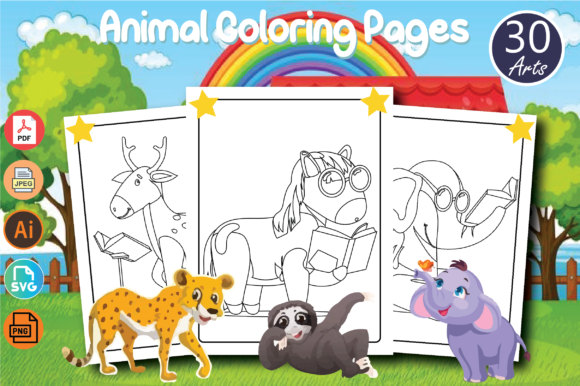
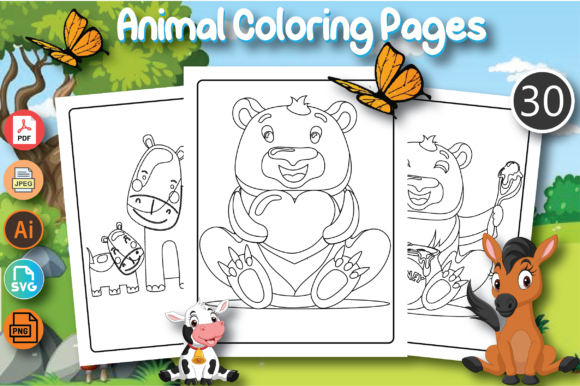
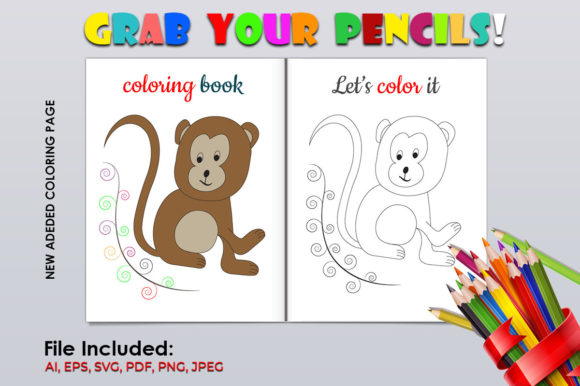
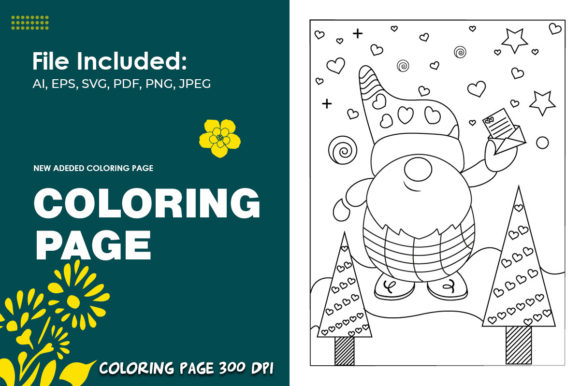
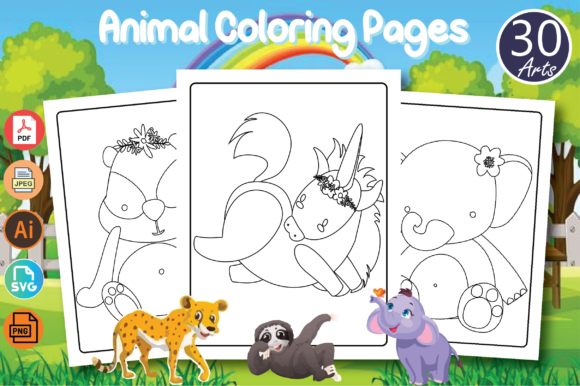
Opening Animal Coloring Activity Book for Kids, I didn’t see “cute” or “trendy”—I saw workable. As someone who’s stitched everything from nursery wall hangings to boutique aprons, the first thing I notice isn’t color—it’s line weight, spacing, and negative space. These illustrations land softly: clean outlines, generous interior areas, and gentle curves that suggest movement without fussy detail. No tiny antlers, no overlapping limbs, no micro-textures that would vanish under satin stitch or blur on a tea towel. That’s not minimalism for its own sake—it’s design discipline. It reads as joyful but never chaotic, playful but never cluttered. That makes it unusually versatile for embroidery—not just as a coloring page, but as a foundational machine embroidery design base.
Where It Shines: Real Projects, Real Fabric
I recently used one of the fox pages—scaled down and traced into an embroidery file—to create a custom embroidered tote bag for a local preschool teacher. The result? Crisp, confident stitching even at 3.5 inches wide. Why? Because the original lines have consistent thickness and intentional breathing room between elements. On sweatshirt embroidery, the same fox held up beautifully over fleece texture—no fill stitch bleeding, no skipped stitches in corners. For baby embroidery on organic cotton onesies, the open shapes translated cleanly into soft applique designs with clean satin-stitched edges. Even on curved surfaces like caps, the simplified animal silhouettes adapted well when digitized with moderate curve compensation.
This isn’t just for apparel. I printed a scaled-down version onto iron-on transfer paper and stitched it onto a linen kitchen towel—no stabilizer needed beyond light tear-away, and the design retained legibility after three rounds of washing. As a personalized gift, it adds warmth without looking mass-produced. As a small shop product, it signals thoughtful curation—not generic clip art.
Where to Proceed with Care
That said, Animal Coloring Activity Book for Kids isn’t plug-and-play for every scenario. On dark fabric, fine interior details (like subtle whiskers or leaf veins) can disappear unless you adjust thread contrast deliberately—test in black and white mockups first. Thin fabrics like voile or rayon challis need extra stabilizer support; dense fill stitch areas may pucker if the original outline wasn’t drawn with embroidery density in mind. Stretchy knits? Only with cutaway stabilizer and careful hooping—those smooth curves don’t forgive distortion.
Small hoop sizes (under 4x4 inches) demand selective editing: crop tightly, simplify overlapping limbs, and avoid stitching near seam allowances where fabric shifts. And while the animals read clearly at 4–6 inches, tiny lettering (if added later for names or dates) needs separate digitizing—don’t rely on the coloring book text for legibility in stitch.
Design Assets That Build Trust
Customers don’t buy “coloring pages.” They buy recognition, calm, and intention. When a parent sees this design on a handmade baby blanket or a holiday embroidery kit, they sense care—not algorithmic cuteness. That builds trust in your craft business, especially on Etsy or at craft fairs where buyers scan dozens of listings in seconds. The Animal Coloring Activity Book for Kids feels human-made, not AI-generated: slightly imperfect lines, organic spacing, and a quiet confidence in simplicity. That translates directly to perceived value in your finished product—even before pricing.
Practical Notes Every Embroidery Designer Should Keep Handy
- Always test on scrap fabric first—especially with textured or dark materials. Stitch density varies wildly between digital files, and what looks balanced on screen may overwhelm in thread.
- Review thread color contrast intentionally. A light gray fox on heather charcoal works; pale yellow on ecru doesn’t always pop. Try grayscale mockups to check tonal separation.
- Confirm hoop size compatibility before digitizing. If your standard hoop is 5x7, avoid designs that stretch across the full width without margin.
- Inspect small details under magnification—especially eyes, ears, and feet. Are they distinct enough to survive fill stitch? Can they be simplified without losing character?
- Use proper stabilizer for your fabric type—not just “medium.” Cutaway for knits, tear-away for stable wovens, water-soluble for delicate layers.
- Verify licensing before selling finished items or bundling as digital embroidery files. The description says it’s sellable on Amazon KDP or Printful—but confirm whether commercial use includes derivative embroidery files or only printed products.
Beyond the Hoop: Branding and Long-Term Use
This isn’t just a one-off tote bag design or sweatshirt embroidery. Its consistency across animals—balanced scale, shared line rhythm, cohesive mood—makes it ideal for building a signature look. Think: a matching set of nursery decor (pillow cover + wall hanging + bib), or a boutique’s seasonal collection (spring bunnies on tea towels, summer turtles on aprons). As design assets, these pages offer reliable visual DNA—something many Etsy sellers and handmade shop owners struggle to source without hiring an illustrator.
And because it appeals across ages—kindergarteners, adults seeking mindful activity, grandparents gifting personalized keepsakes—it supports cross-generational storytelling in your products. A stitched owl on a child’s backpack feels joyful; the same owl on a linen napkin for a wedding gift feels grounded and timeless.
Final Thought: Design That Serves the Maker First
What makes Animal Coloring Activity Book for Kids stand out isn’t novelty—it’s usability. It respects the time, tools, and tactile reality of embroidery work. It doesn’t ask you to fight the fabric, compensate for weak outlines, or apologize for muddy details. Instead, it gives you clean, expressive shapes that translate faithfully from screen to stitch—and from stitch to shelf. Whether you’re launching your first printable mockup pack or refreshing your commercial embroidery catalog, this is the kind of Graphics resource that earns repeat use. Not because it’s flashy—but because it works.