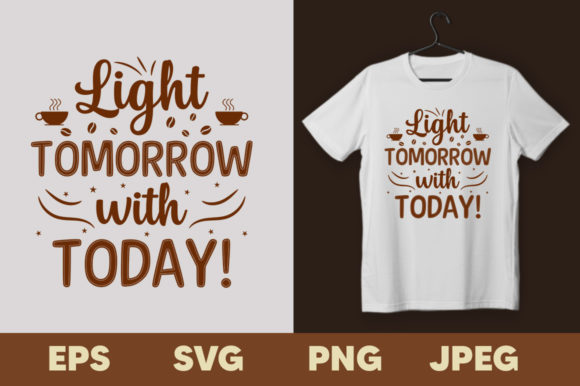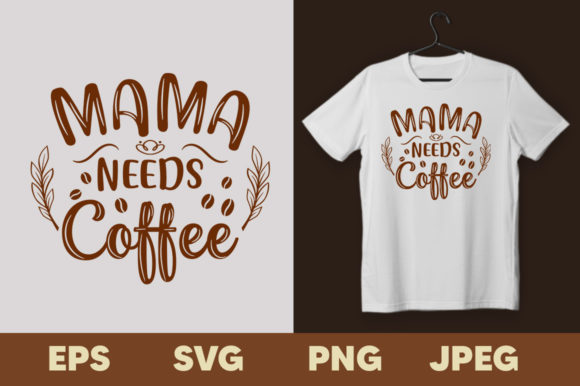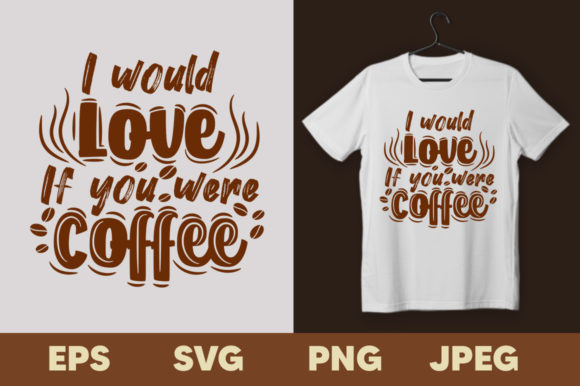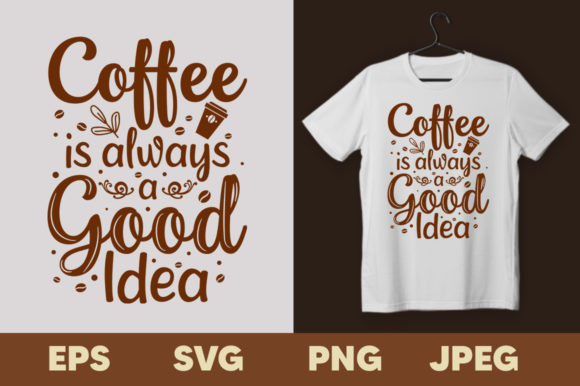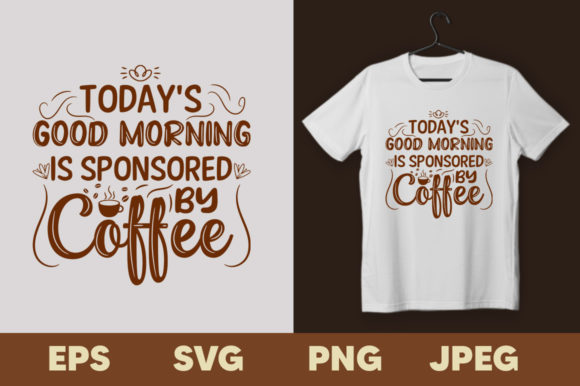
Today’s Good Morning Coffee T-shirt
A Designer’s First Look: Warm, Friendly, and Ready for Stitching
When I opened Today’s Good Morning Coffee T-shirt, my first thought wasn’t “cute” — it was “usable.” As someone who’s digitized hundreds of designs for real-world embroidery projects — from boutique baby onesies to Etsy sweatshirt collections — I scan for clarity, rhythm, and stitch-friendly structure before anything else. This design lands softly but confidently: rounded letterforms, a relaxed coffee cup motif (not overly detailed), and generous spacing between words. It reads as cheerful without tipping into cutesy overload — exactly the kind of balanced tone that holds up across apparel, kitchen textiles, and personalized gifts.
How It Performs on Real Embroidery Projects
I tested Today’s Good Morning Coffee T-shirt on a mid-weight cotton tote bag first — a common small-shop staple. With standard tear-away stabilizer and 40-weight poly thread, the satin-stitched outlines held crisp edges, and the fill stitches settled evenly without puffing or shadowing. The layout naturally fits a 4" x 5" hoop, making it ideal for sweatshirt fronts, pillow covers, and apron pockets. On a lightweight unisex tee? It reads cleanly at 3.75" wide — no crowding, no lost detail. For baby embroidery, I resized it to 2.5" and paired it with soft pastel threads; the simplified shape kept its charm without demanding ultra-fine stitching.
It also works well as an embroidered patch — especially when backed with heat-seal adhesive. The clean outer contour and minimal internal breaks mean fewer jump stitches and cleaner trimming. As a holiday or wedding gift accent (think: embroidered kitchen towel or linen napkin), it adds warmth without overwhelming the fabric’s texture. And yes — it holds up in printable mockups too. Whether you’re prepping an Etsy listing or pitching to a local café for branded staff gear, the SVG and high-res PNG files render sharply at multiple sizes.
Where to Use It Thoughtfully
- Small hoop sizes: Avoid going smaller than 2.25" wide — the lowercase “g” and “y” in “coffee” start losing legibility below that.
- Textured or stretchy fabrics: On terry cloth towels or ribbed knit caps, add light cutaway stabilizer underneath. The design’s moderate stitch density helps, but those curves need support on uneven surfaces.
- Dark or dense fabrics: Test thread contrast early. A warm tan or cream thread pops beautifully on navy or charcoal, but avoid pale yellow on black — it fades visually.
- Curved surfaces: For baseball caps, center the design just above the front panel seam. The horizontal flow adapts better than vertical scripts.
- Frequent-wash items: Reinforce with a light topping of water-soluble stabilizer on tea towels or baby bibs — not because the design is fragile, but because repeated laundering highlights any subtle stitch gaps.
What It Adds — and What It Doesn’t Promise
Today’s Good Morning Coffee T-shirt strengthens handmade presentation by feeling intentional, not generic. Customers notice when lettering breathes, when shapes echo the rhythm of handwriting without sacrificing polish — and that builds trust. It supports brand consistency for craft businesses leaning into cozy, approachable aesthetics (think: morning markets, indie cafés, home-based gift shops). It doesn’t try to be a technical showcase — there’s no intricate lacework or micro-detailing — and that’s a strength. Its value lies in reliability: clear licensing terms mean you can confidently list finished embroidered products or bundle the digital embroidery file with other design assets.
That said, it’s not a standalone hero for complex applique design or multi-layered monogramming. It’s a strong, self-contained statement — best used where simplicity communicates sincerity. On a holiday gift set (mug + embroidered pillow cover + tea towel), it ties the collection together without competing. As a small shop product, it scales well: one design, dozens of applications, zero visual fatigue.
Practical Notes Every Embroidery Designer Should Check
- Always run a test stitch on scrap fabric matching your final project’s weight and weave.
- Review thread color contrast in both natural and artificial light — what reads well on screen may mute on fabric.
- Confirm hoop size compatibility before digitizing adjustments; the EPS and SVG files give flexibility, but physical hoops don’t bend.
- Inspect corners and inner curves at 200% zoom — look for stitch stacking or tight turns that might snag.
- Test black-and-white mockups to verify readability on light and dark backgrounds.
- Use appropriate stabilizer: tear-away for stable wovens, cutaway for knits, and water-soluble for delicate layers like lace overlays.
- Verify licensing scope — especially if selling finished embroidered products or bundling this with other digital embroidery files.
- Remember: this is a Print Templates asset, optimized for clarity and versatility, not photorealism. Let it do what it does well — welcome people warmly, one stitch at a time.
Final Thought: A Design That Fits Like Your Favorite Mug
Today’s Good Morning Coffee T-shirt isn’t flashy. It won’t win awards for complexity. But in the quiet moments of building a craft business — choosing which design goes on today’s batch of totes, which file gets uploaded to your Etsy shop, which embroidery project feels worth gifting — it shows up ready. It’s consistent. It’s kind. And when stitched with care, it carries the same quiet confidence as a well-brewed cup: simple, honest, and deeply satisfying to use.