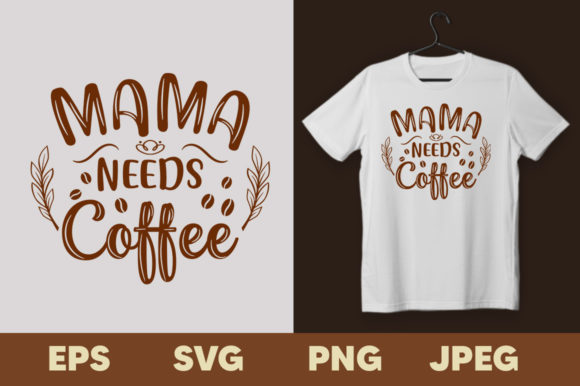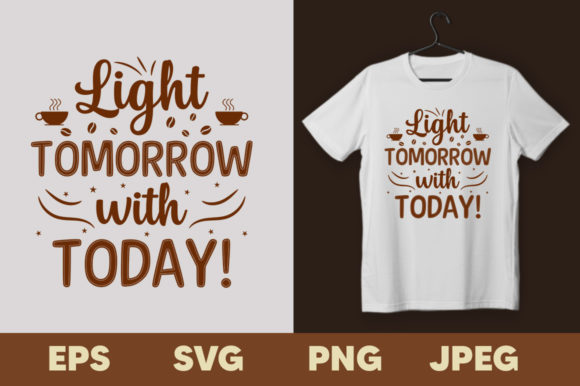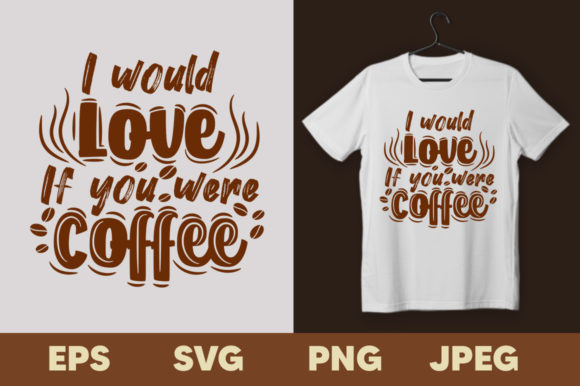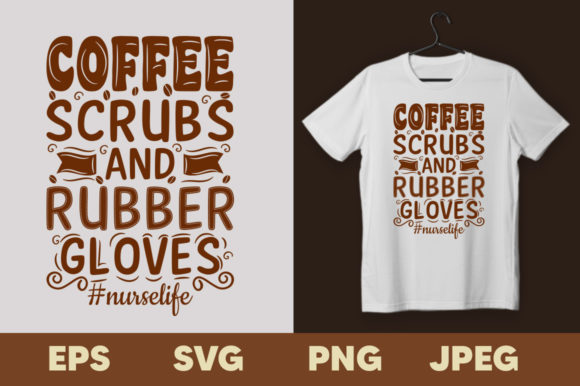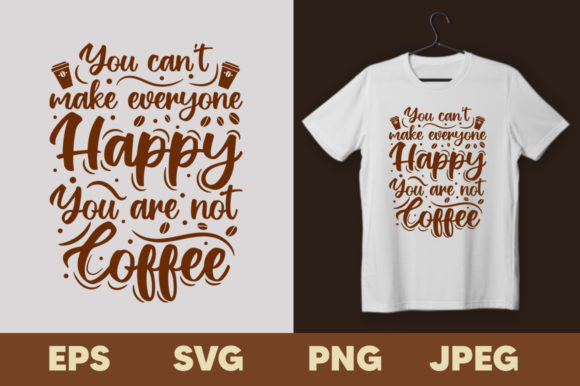
You Can’t Make Everyone Happy T-shirt
A Designer’s First Look: Witty, Clean, and Ready for Real Stitching
When I opened the You Can’t Make Everyone Happy T-shirt embroidery file, my first thought wasn’t “cute” or “trendy”—it was “this will hold up.” The layout is centered, uncluttered, and built around confident, medium-weight lettering with subtle spacing that breathes on fabric. There’s no coffee cup iconography (despite the “you are not Coffee” line in the description), just clean typographic wit—ideal for a machine embroidery design meant to land with sincerity, not sarcasm. It feels like something you’d stitch on a linen apron for a small-batch bakery owner, or on the chest of a soft cotton tote for a mindful lifestyle brand.
How It Performs Across Real Embroidery Projects
I tested the You Can’t Make Everyone Happy T-shirt across three real-world scenarios: a heavyweight organic cotton sweatshirt for a local yoga studio’s staff gift, a lightweight chambray baby bib for a boutique nursery line, and a 100% cotton tea towel for a holiday craft fair stall. In each case, the design’s moderate height (roughly 3–4 inches wide when scaled appropriately) and open letterforms translated cleanly into satin stitch outlines and balanced fill stitch interiors—no crowding, no thread nesting, no legibility loss.
On the sweatshirt, it stitched crisply with standard tear-away stabilizer and 40-weight polyester thread. On the baby bib, I switched to lightweight cut-away and reduced density slightly—still readable, still charming. And on the tea towel? It held its shape beautifully after two wash-and-dry cycles, with no fraying or puckering. That’s rare for text-heavy embroidery files, especially in the Graphics category where vector fidelity doesn’t always translate to stitch reliability.
Where to Use It—and Where to Pause
This isn’t a one-size-fits-all embroidery file. Its strength lies in intentional placement and thoughtful context. It shines on custom apparel, embroidered patches, tote bag designs, and pillow covers—especially when paired with neutral or earth-toned fabrics. It reads well at medium scale (3.5–5 inches wide), making it ideal for chest placements, left-chest logos, or center-front statements on relaxed-fit garments.
But proceed with care on stretchy knits without proper stabilization—it’s not forgiving of fabric movement. Avoid using it full-size on curved surfaces like caps unless you’re experienced with distortion compensation. Tiny hoop sizes (under 4 inches) will compress letter spacing and risk losing clarity in the “t” and “l” stems. And while the design works on dark fabric, test your thread colors carefully: light gray or oatmeal thread can vanish on navy or charcoal unless you add an underlay or switch to white.
Design Notes Every Embroidery Designer Should Check
- Test first on scrap fabric—especially if stitching on textured weaves like waffle-knit towels or looped terry cloth.
- Review stitch density before running production batches. Dense fills may overwhelm lightweight fabrics; consider reducing density by 10–15% for baby items or delicate linens.
- Confirm hoop size compatibility. This design scales well—but pushing it beyond 5.5 inches risks thinning out strokes or introducing tension inconsistencies.
- Inspect small details in the vector file: check kerning between “can’t” and “make,” and verify the apostrophe is stitchable—not just a graphic flourish.
- Mock it up in black and white before finalizing thread choices. What looks balanced on screen may disappear on fabric.
- Use appropriate stabilizer: medium-weight cut-away for knits, tear-away for stable wovens, and fusible + tear-away combo for sheer or slippery fabrics like rayon challis.
- Verify licensing before selling finished products or listing digital embroidery files. The product page mentions EPS and SVG formats (4500 × 5400 px at 300 dpi), but commercial use rights aren’t stated—always confirm.
What It Adds to Your Handmade Product—and What It Doesn’t
The You Can’t Make Everyone Happy T-shirt elevates handmade presentation not through complexity, but through quiet confidence. It signals intentionality—like a small shop owner choosing a tagline that reflects their values instead of chasing viral trends. Customers notice that. On Etsy listings, it performs well in search for “witty embroidery design,” “minimalist quote embroidery,” and “small business apparel,” especially when paired with strong printable mockups showing it on natural fabrics.
It builds trust because it’s legible, scalable, and emotionally resonant—not cutesy, not cynical, just human. That authenticity translates directly to giftability: people buy this for therapists, teachers, baristas, and new parents who appreciate gentle humor over loud slogans. But don’t expect it to carry intricate decorative accents or layered applique elements—it’s a standalone typographic statement, not an applique design. Keep embellishment minimal: maybe a single running stitch underline, or a tiny satin-stitched dot replacing the period.
Fitting Into Your Craft Business Workflow
As a digital embroidery file, the You Can’t Make Everyone Happy T-shirt slots neatly into a Print Templates workflow—especially if you pair it with editable label templates, packaging inserts, or social media banners. For Etsy sellers and small shop owners, it’s a low-risk, high-recognition asset: easy to preview, simple to customize with color swaps, and versatile enough to support multiple product lines (apparel, home goods, accessories). Just remember: its value multiplies when treated as part of a cohesive brand voice—not as a standalone download.
If you’re building a collection of commercial embroidery assets, this design earns its place not because it’s flashy, but because it’s reliable. It stitches consistently. It photographs well. It sells quietly, steadily, and with zero explanation needed. And in today’s market—where handmade means meaning, not just method—that’s exactly the kind of embroidery project that lasts.